

All Roads lead to Ticino
Historic Alpine Routes
Reaching Ticino has always meant crossing the Alps, overcoming mountain passes that for centuries served as routes of exchange, trade and encounters between different cultures. Long before the advent of modern infrastructure, these Alpine passes were travelled by merchants, pilgrims, armies and wayfarers, forging essential links between Northern and Southern Europe.
St Gotthard Pass
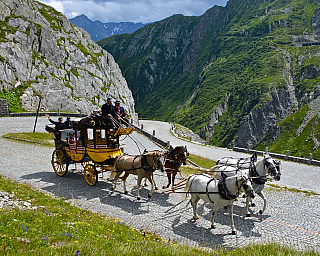
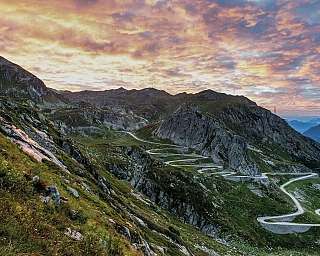
For centuries, the St Gotthard Pass has been one of the most important routes across the Alps. As early as the Middle Ages it functioned as a strategic axis between Northern Europe and the Lombard territories. In the 13th century, the construction of the famous Devil’s Bridge in the Schöllenen Gorge made passage more regular. Here, in the heart of the Swiss Alps, four major rivers rise and flow in different directions: the Reuss to the north, the Rhine to the east, the Ticino to the south and the Rhône to the west. The historic Tremola road, with its cobbled hairpin bends on the southern side, still bears witness to the engineering ingenuity of the 19th century, prior to the opening of the railway tunnel.
San Bernardino Pass
For a long time, the San Bernardino Pass represented a vital alternative to the Gotthard, particularly when the latter was difficult to cross. Already in Roman and medieval times, the route through what is now the Grisons region was used to connect the Rhine basin with the Po Valley. The spectacular Viamala Gorge, crossed over the centuries by daring bridges and passages, impressed travellers of every era and was considered one of the most challenging stretches of the Alpine route.
Lukmanier Pass
The Lukmanier Pass is one of the oldest Alpine crossings in Switzerland. Already frequented in Roman times, it became an important route in the Middle Ages linking the Abbey of Disentis with the Blenio Valley. For centuries, the monastery played a central role in welcoming travellers and maintaining the pass. It was mainly used for transporting goods and livestock, contributing significantly to the economic development of the valleys it connects.
Nufenen Pass
Rising above 2,400 metres, the Nufenen Pass is one of the highest road passes in Switzerland. Although it was opened to traffic only in the second half of the 20th century, it follows ancient Alpine routes once used by shepherds and traders. Its historical role as a direct link between Valais and Ticino is relatively recent, yet it reflects the evolution of Alpine infrastructure in the modern era.
Simplon and Centovalli
The Simplon Pass is associated with one of the most famous episodes in Alpine history: in 1800 Napoleon Bonaparte crossed it with his troops to surprise the Austrian army. Shortly afterwards, he promoted its transformation into a carriage road, making it one of the first modern Alpine crossings. From here the route continues towards the Centovalli, a region historically shaped by emigration and cross-border connections, where railways and roads have linked Ticinese and Piedmontese communities for centuries.
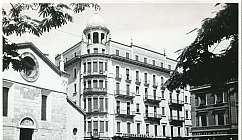
Great-grandfather Anton Disler's hotel concept
"The hotel should be comfortable, without excessive luxury, in light colours.."
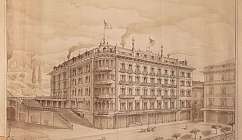
Offer and project by arch. Giuseppe Pagani
The architect and entrepreneur in tourism development and the birth of the hotel in record time
Origin of the name "International au Lac"
How accessibility and location influence hotel names
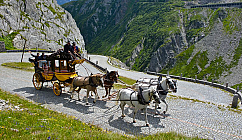
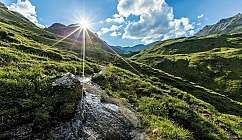
All Roads lead to Ticino
There are many ways to discover amazing scenic routes, from glaciers to palm trees
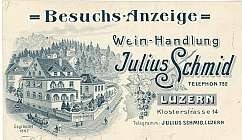
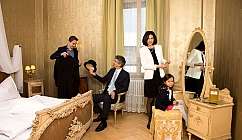
Five generations at a glance
From great-great-grandfather Anton Disler (1880–1935) to the youngest Aurelia (5th generation)
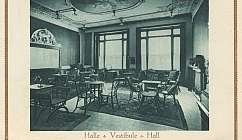
The Bel-Etage: the social heart of the hotel since 1906
The noble hall: an atmosphere of times gone by
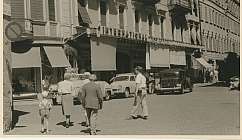
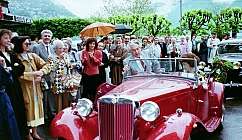
Underground garage in the heart of the historic centre
Courage and foresight: the birth of the hotel's underground garage
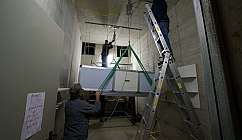
Ten years of commitment to air-conditioning 100 venues
Modern comfort, hidden within the walls
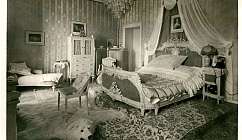
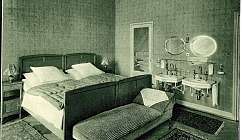
The Return of the Belle Époque to Room No. 221
One room, two eras: from the founders to today's guests
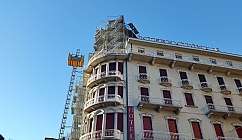
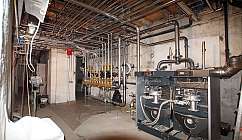
A new generation thermal system is born
47.5% reduction in CO₂ emissions thanks to the latest technology
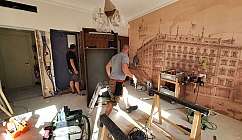
Triptych of room renovations
Investing in the future, preserving the past and building the new, safeguarding history
Words from our guests
Based on hundreds of reviews from travellers around the world, we assure you that choosing to stay with us was the right decision.
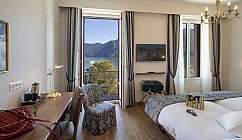
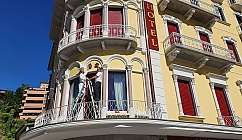
The Hotel International au Lac Today and Tomorrow
A combination of unique services in an unbeatable location - the fifth generation and pages yet to be written